
Dua Before Sleeping
The Messenger of Allah ﷺ, Muhammad, taught this supplication to be recited before sleeping. This dua should be recited every night before going to bed.

Dua Before Sleeping – Arabic Text
اَللّٰهُمَّ بِاسْمِكَ أَمُوتُ وَأَحْيَا
Dua Before Sleeping (Transliteration)
Allahumma bismika amootu wa ahyaa
Translation of the Sleeping Dua
English
“O Allah, in Your name I die and I live.”
Urdu
“اے اللہ میں تیرا نام لے کر مرتا اور جیتا ہوں۔”
Hindi
“ऐ अल्लाह! मैं तेरे नाम के साथ ही मरता हूँ (सोता हूँ) और जीता हूँ”
Benefits of Reciting the Sleeping Dua
This is a very great and blessed act. When a person sleeps, they become weak and unaware. During this time, if any harm or danger could occur, Allah protects the person through these remembrances.
Through the blessings of these supplications:
- Protection from all kinds of evil
- Safety from jealousy and magic
- Protection from satanic effects
- A peaceful and secure night
The Prophet ﷺ always remained consistent with this practice — even during severe illness.
Sunnah Practices Before Sleeping
When the Prophet ﷺ would go to bed at night, he would recite specific supplications and chapters of the Qur’an. He maintained these remembrances whether in health, illness, travel, or at home.
Since a person becomes vulnerable during sleep, Allah granted these powerful supplications for night protection.
1. Performing Wudu Before Sleep
Performing ablution before sleeping is Sunnah. It brings spiritual purity and often helps in better sleep.
2. Cleaning the Bed
The Prophet ﷺ said:
When one of you goes to bed, he should dust it with the edge of his cloth, because he does not know what may have come onto it after him.
Lightly cleaning the bed before sleeping is Sunnah.
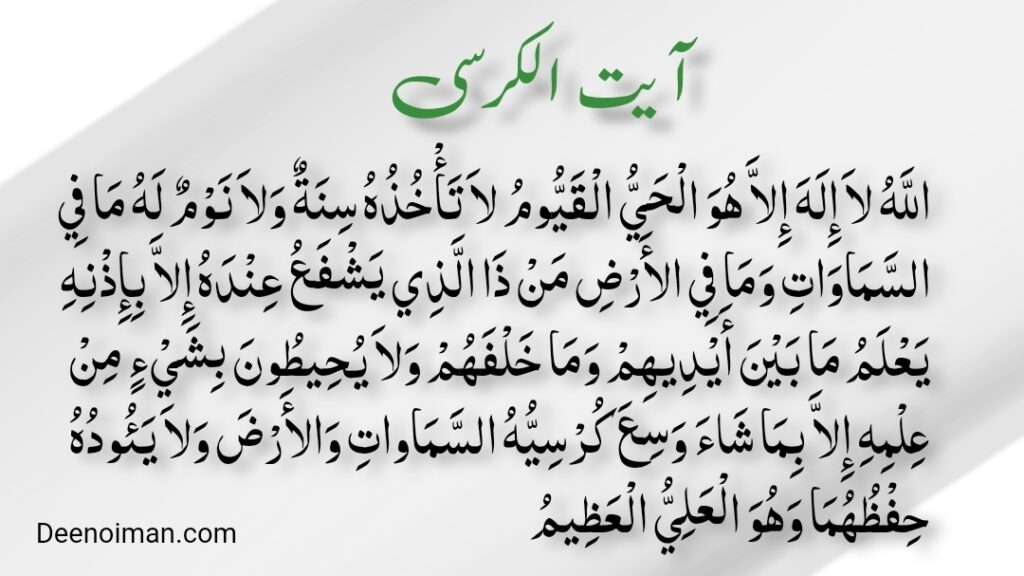
3. Reciting Ayat-ul-Kursi
Virtue of Reciting at Night
If a person recites Ayat-ul-Kursi before sleeping, Allah appoints an angel to guard them, and Satan does not approach them until morning.
Reciting it after wudu takes only a few minutes but becomes protection for the entire night.
It is also narrated that reciting it during Ramadan brings even greater reward.
Ayat-ul-Kursi is not just a verse, but a strong source of protection for believers. If we make it part of our daily routine after prayers and before sleep, InshaAllah we will succeed in both this world and the Hereafter.
4. Reciting the Three Surahs (Ikhlas, Falaq, Naas)
It is narrated from Aisha that when the Prophet ﷺ went to bed, he would cup his hands, blow lightly into them, and recite:
- Surah Ikhlas (Qul Huwa Allahu Ahad)
- Surah Falaq (Qul A’uzu bi Rabbil Falaq)
- Surah Naas (Qul A’uzu bi Rabbin Naas)
Then he would wipe his hands over his head, face, and front of his body. He would repeat this three times.
These chapters are part of the Qur’an, the holy book of Islam (Qur’an).
5. Reciting Surah Mulk
It is narrated that the Prophet ﷺ would recite Surah Mulk before sleeping.
Virtues:
- It speaks about Allah’s power and kingdom
- It becomes protection from the punishment of the grave (according to narrations)
6. Reciting the Last Two Verses of Surah Baqarah
The Prophet ﷺ said: Whoever recites the last two verses of Surah Baqarah at night, they will be sufficient for him.
These verses renew faith, strengthen trust in Allah, and include supplications for forgiveness, help, and protection.
They also contain the famous prayer: “Our Lord, do not hold us accountable if we forget or make mistakes.”
Reciting them brings peace, protection, and comfort during the night.
Importance of These Night Remembrances
- Protection in the darkness of night
- Safety from satanic effects
- Protection from jealousy and harm
- Protection from punishment of the grave (as narrated)
- Peaceful and restful sleep
The Prophet ﷺ always remained consistent with these practices — even during illness.
Morning Dua (Dua After Waking Up)
When we wake up in the morning, we should recite this supplication:
بِسْمِ اللَّهِ الَّذِي لَا يَضُرُّ مَعَ اسْمِهِ شَيْءٌ فِي الْأرْضِ وَلَا فِي السَّمَاءِ وَهُوَ السَّمِيعُ الْعَلِيمُ
Dua Before Sleeping Video
FAQs
Is reciting the sleeping dua obligatory?
It is not obligatory, but it is Sunnah. The Prophet ﷺ consistently recited it, so it should be practiced regularly.
Which direction should one sleep facing?
According to Sunnah, one should sleep on the right side, and facing the Qiblah is recommended.
How many times should the sleeping dua be recited?
Reciting it once is sufficient.
Should it be recited for daytime sleep too?
Yes, the dua can also be recited before sleeping during the day.